The Difference Between a Brand Refresh and a Full Rebrand
I actually experienced the dilemma between having a brand refresh or a rebranding myself at the beginning of this year. I reached a point where I could feel that my brand no longer represented where I was or where I wanted to take my business.
Nothing was necessarily wrong with it. I just felt like I had grown out of it.
My taste had changed. My vision had become clearer. I knew more about the kind of work I wanted to create and the kind of clients I wanted to work with.
So I decided not to simply refresh it. I did a full rebrand.

And it was such a good reminder of why I believe our brands should grow with us. A rebrand isn’t always a sign that something went wrong. Sometimes it’s simply a sign that you’ve grown enough that your brand needs to catch up.
I actually think that’s a beautiful thing.
Your brand isn’t supposed to stay exactly the same forever.
The question is whether you need a brand refresh — or whether you’ve grown into a completely different version of your business and need to rethink the brand from the inside out.
01 — When a Brand Refresh Is Actually Enough
Let’s start with the less dramatic option.
A brand refresh is perfect when your business is working, your positioning still feels right and you generally feel aligned with what you’re putting out into the world — but the visual identity could use a little love.
Maybe your logo feels outdated. Your colour palette doesn’t excite you anymore. Your typography feels disconnected from your current taste. Your photography has evolved, but your visual identity hasn’t quite caught up.
These are all signs that you might not need to throw everything away.
A brand refresh can mean refining your logo, updating your colour palette, introducing a more considered type system, refreshing your imagery or bringing more consistency to your existing visual identity.
It’s less about becoming someone new and more about polishing the version of you that is already there.
And sometimes, that’s exactly what your business needs.
If the foundation still feels right, I wouldn’t recommend changing it just for the sake of change. Sometimes a few intentional adjustments are enough to make your brand feel fresh again.
If you’re curious about what that could look like for your own business, you can explore my branding and web design services and see how I approach creating a more considered brand presence.
02 — When You’ve Outgrown Your Own Brand
A full rebrand is a different story.
Usually, it starts with something deeper than “I don’t like my colours anymore.”
You might feel like your business isn’t flowing in the same way it used to. Your messaging feels difficult to write. Your website doesn’t quite represent the level you’re operating at. You’re attracting inquiries that don’t feel aligned. Or you simply look at your brand and think:
“This was me. But it isn’t really me anymore.”
And honestly? That’s okay.
One of my favorite things about working with women who are growing their businesses is seeing how much can change along the way. You become more confident. Your personality becomes clearer, your standards get higher and your vision gets bigger.
And your brand should be allowed to grow with you.
This is where a full rebrand can become much more powerful than simply changing the visuals.
It gives you the opportunity to step back and ask: Who am I now? What am I really offering? Where am I going? And does my brand actually communicate that?
That is where strategic branding comes in.
A full rebrand gives you space to look at the business as a whole instead of trying to fix individual pieces. Sometimes you discover that the logo isn’t actually the problem at all — the positioning, messaging or direction underneath it simply needs to evolve.
03 — Your Brand Identity Might Be Sending the Wrong Message
Your brand identity is doing more than making your business look beautiful. It’s creating an expectation.
Before someone reads your About page or books a call, they are already getting a feeling about your business through your visuals, words, photography and overall experience.
And if your brand no longer reflects who you are, there can be a disconnect.
Maybe you’ve moved into a more premium space, but your branding still feels like the version of your business from when you were starting out.
Maybe your services have become much more specialised, but your messaging still speaks to everyone.
Or maybe your old brand used to attract exactly the right clients, but you’ve evolved since then — and you’re starting to notice that the people finding you aren’t quite the people you want to work with anymore.

That’s why I don’t see rebranding as simply making something look more expensive.
It’s about making your identity feel true again.
The right people should be able to recognise themselves in the world you’re creating — while also understanding the level of experience you’re offering.
For some businesses, that might mean leaning into luxury branding. For others, it might mean becoming more expressive, editorial, playful or distinctive.
There isn’t one “premium” look.
There is only the right look for your business.
And if you’re at the stage where you’re questioning what your brand is actually communicating, one of my favourite places to start is simply by looking at what inspires you. Creating a private Pinterest board can be surprisingly useful — not to copy another brand, but to notice the colours, imagery, textures, typography and overall feeling you’re naturally drawn towards. Sometimes your visual direction becomes much clearer when you stop trying to define it and simply start collecting what feels right.
04 — A Full Rebrand Should Go Much Deeper Than Your Logo
This is probably the part I care about most.
If we’re doing a full rebrand together, I’m not interested in opening a moodboard and asking which beige you prefer. Before we touch the visuals, I want to understand the business behind them.
What’s currently not working? Where are you getting stuck? What do you want to be known for? Who do you actually want to attract? What do you truly give your clients? Where do you want the business to go next? And what has changed since you first created your brand?
And we are going to not just talk through these things but actually solve them together.
From there, we can look at the bigger picture — brand strategy, positioning, messaging, visual identity, art direction and website design — and make sure everything is moving in the same direction.
Because your website shouldn’t just show your new brand.
It should allow someone to experience it.
This is also why I love working across branding and web design. When the strategy, identity and website are created together, you can build something much more cohesive. And when that new identity is translated into a website, I want every part of the experience to feel intentional — from the first impression to the final click.

If you’d like to see how this can look in practice, take a look through my portfolio and explore some of the brands and websites I’ve created. And when the pieces finally come together, I want that very specific reaction:
“Fuck yes. This is me.”
Not because the brand looks trendy. Not because it looks like someone else’s successful business.
But because it finally feels like the person you’ve become.
So, Do You Need a Brand Refresh or a Full Rebrand?
Here’s the simplest way I see it.
If your business feels aligned, your positioning still works and you mostly just want your visuals to feel fresher, a brand refresh may be exactly what you need.
But if you’ve grown significantly, your direction has changed, you’re struggling to communicate what you offer or your current identity feels disconnected from the business you’re building, it’s probably time to look deeper.
And you don’t have to figure that out alone. Sometimes the most useful first step is simply having someone look at the whole picture with you.
If you’re ready to explore what your next chapter could look like, book a call with me. We can talk through where your business is now, what’s feeling off and whether you actually need a full rebrand — or something much simpler.
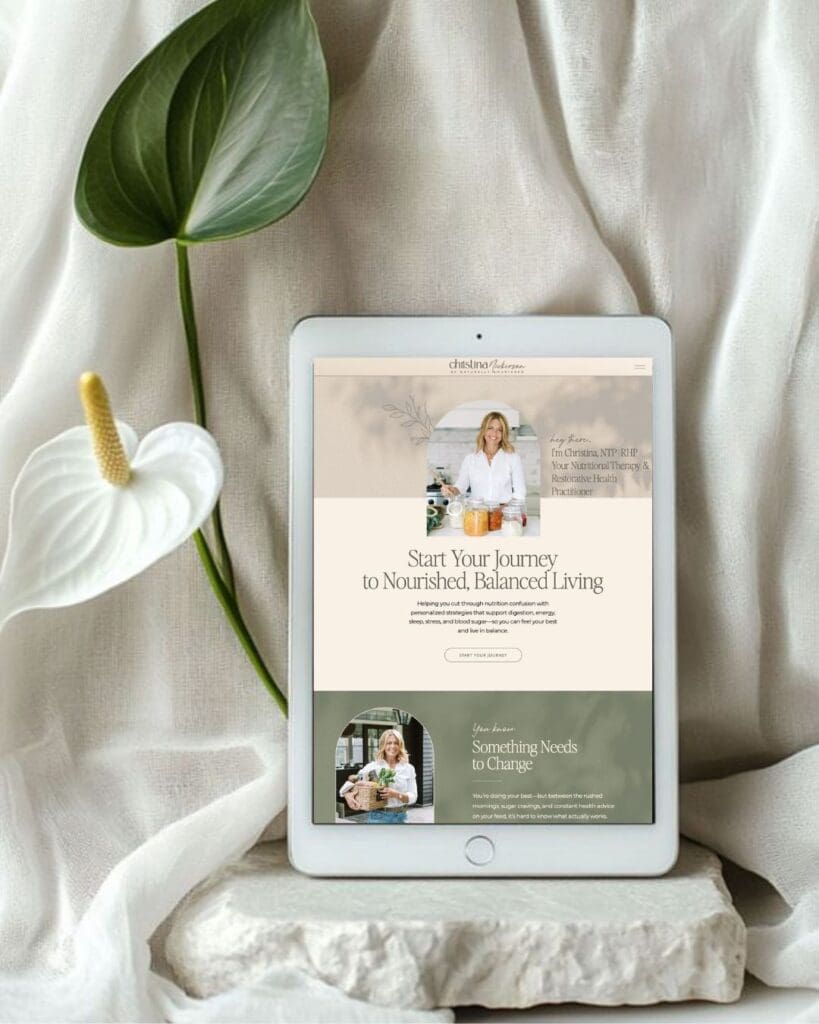
And if you’re not quite ready for a fully custom project, you can explore my Showit website templates for a more flexible starting point.
If you’re building your website on Showit, I also recommend exploring Showit itself — it’s the platform I love for creating highly customised, design-led websites without being boxed into a rigid template.
Because ultimately, I don’t think a rebrand should be about becoming someone completely new.
It should feel like coming home to the version of your business you’ve grown into.